This is how the AI article summary could look. Lorem ipsum dolor sit amet, consectetur adipiscing elit, sed do eiusmod tempor incididunt ut labore et dolore magna aliqua. Ut enim ad minim veniam, quis nostrud exercitation ullamco laboris nisi ut aliquip ex ea commodo consequat.
10 Common Skin Problems – When to Worry and When to See a Doctor
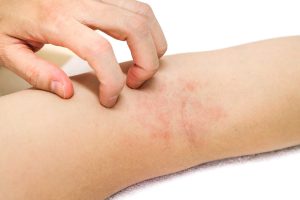
Here are 10 common skin problems, when to worry, and when to see a doctor.
1. Acne
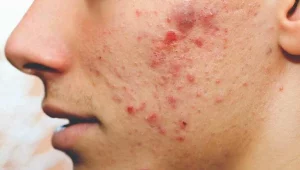
- What it is: A common skin condition where hair follicles become blocked by oil, dead skin cells, and bacteria, often triggered by hormonal changes
- Symptoms: Blackheads, whiteheads and pimples; and in some, painful cysts or nodules
- When to worry: If acne persists or worsen
- When to see a doctor: If acne leads to scarring or dark spots.
2. Eczema (Atopic Dermatitis)
- What it is: A presumed autoimmune condition causing skin inflammation; typically characterised by itchiness, redness and a rash
- Symptoms: Dry, itchy, and inflamed skin (especially affecting the front of the elbow, and back of the knee
- When to worry: If symptoms affect daily life
- When to see a doctor: If symptoms persist or worsen despite home treatment.
3. Psoriasis
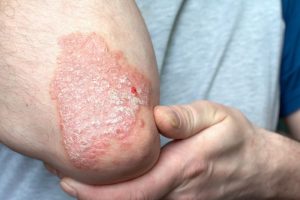
- What it is: a chronic (long-lasting) autoimmune disease that causes skin cells to grow too quickly
- Symptoms: thick, scaly, inflamed, and itchy red patches (with silvery scales) called plaques; especially affecting the back of the elbow and front of the knee (i.e. opposite to eczema)
- When to worry: If symptoms affect daily life
- When to see a doctor: If symptoms persist or worsen despite home treatment.
4. Rosacea

- What it is: a skin condition that causes flushing or long-term redness on the face – especially on and around the nose. It also may cause enlarged blood vessels and small, pus-filled bumps
- Symptoms: Redness, prominent blood vessels, and pimples on the face
- When to worry: If symptoms persist or worsen
- When to see a doctor: If symptoms affect daily life or self-care measures aren’t effective.
5. Skin Tags

- What they are: small, benign (harmless), soft, flesh-coloured or brown growths that hang from the skin, usually attached by a stalk. They are not contagious and are often removed for cosmetic reasons by a medical professional
- Symptoms: Small, soft flaps of skin
- When to worry: If they become irritated or inflamed
- When to see a doctor: If they cause discomfort or affect appearance.
6. Seborrheic Keratoses

- What they are: common, harmless, benign (non-cancerous) skin growths. They are not contagious and do not turn into skin cancer
- Symptoms: Slightly raised, waxy or scaly spots, ranging in colour from light tan to black. Most people develop them as they age, with the growths typically appearing after age 30
- When to worry: If they change in appearance or become irritated
- When to see a doctor: If you’re concerned about their appearance or experience symptoms.
7. Melanoma

- What it is: A serious type of skin cancer that develops in the pigment-producing cells called melanocytes. It is often caused by exposure to ultraviolet (UV) radiation from the sun and tanning beds, which damages the DNA in these cells, leading to uncontrolled growth
- Symptoms: Most common signs of melanoma are new dark, uneven moles or changes in existing moles
- When to worry: If it changes in size, shape, or colour
- When to see a doctor: Immediately, as early detection improves treatment outcomes.
8. Basal Cell Carcinoma (BCC)
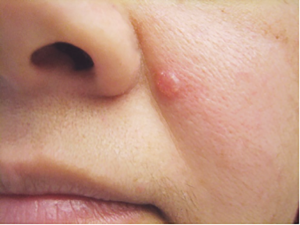
- What it is: Also known ‘rodent ulcer’, is the most common type of skin cancer
- Symptoms: Shiny or pearly bump, may scab or bleed; especially on the face (often near the nose)
- When to worry: If you notice any unusual changes
- When to see a doctor: If you suspect skin cancer, consult a doctor promptly.
9. Hives (Urticaria)
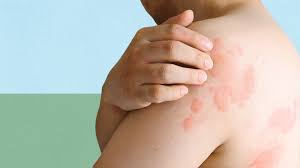
- What they are: red, itchy, raised patches or welts on the skin that appear when the body releases histamine in response to a trigger (such as allergies, infection, anxiety, or heat)
- Symptoms: Red, itchy, raised welts
- When to worry: If they persist or worsen
- When to see a doctor: If you experience difficulty breathing, swallowing, or if hives cover a large area.
10. Shingles (Herpes Zoster)

- What it is: A painful viral infection that causes a rash with blisters. It’s caused by the varicella-zoster virus (VZV), the same virus that causes chickenpox
- Symptoms: Typically appears as a painful, blistering rash on one side of the body, often in a band-like pattern.
- When to worry: If you experience severe symptoms
- When to see a doctor: Immediately, as early treatment can lessen symptoms and prevent complications.
Remember to consult a doctor if you notice any unusual changes in your skin or if symptoms persist or worsen despite home treatment.
Red Flags for Skin Disease: See a Doctor Now
- Non-blanching rashes (rashes that don’t fade when pressed)
- Rashes covering a large area of the body
- Rashes with large blisters
- Rashes with signs of infection like pus or yellow crusts, rashes accompanied by systemic symptoms like fever, headache, nausea, or joint pain
- New or changing skin moles or growths.