
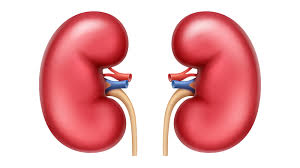
The most common symptom of CKD is no symptoms. In other words, it is a ‘silent killer’ like early diabetes, high blood pressure and high cholesterol. Most, initially, don’t know they have it.
Here are 10 of the most common symptoms of CKD. The causes of thse are the 10 complications of CKD.

This could be CKD (or a bad day!)
1. Symptoms of AKI – dominated by cause of AKI, e.g. pneumonia or post-cardiac surgery.
Note. AKI usually ‘gets better’. But in some patients, AKI may cause (or accelerate the progression) of CKD. Occasionally it leads to ESRF.
2. Ankle swelling, shortness of breath – due to fluid overload (extra water in the body)
Fluid overload and hyperkalaemia are two of the main indications for dialysis.
3. Muscle weakness (or more usually no symptoms) – due to high blood potassium level (hyperkalaemia)
This is usually asymptomatic, i.e found on a blood test. But if severe (>7.0 mmol/L) it can cause whole body muscle weakness.
4. High blood pressure and high cholesterol – usually ‘silent’ with no symptoms
Hypertension also accelerates the progression of CKD.
Almost all people with CKD have hypertension. High cholesterol can also be caused by nephrotic syndrome (defined by a urinary albumin:creatinine ratio (ACR) levels greater than 220 mg/mmol) with normal kidney function.
5. Chest pain (IHD); shortness of breath (CHF); pain in legs on walking or poor circulation to feet (PVD); and one-sided weakness or speech or visual disturbance (stroke) – due to heart (cardiovascular) and brain (cerebral) disease
6. Tiredness, shortness of breath, lethargy, and palpitations – due to renal anaemia
Renal anaemia is due to reduced production of erythropoietin (EPO) by the kidney, reduced red blood cell survival, and iron deficiency.
Treatment with EPO is recommended when haemoglobin is less than 110 g/L.
When severe, it occasionally causes calciphylaxis. This is serious but fortunately rare.
Renal bone disease is caused by disturbed vitamin D, calcium/phosphate, and parathyroid hormone (PTH) metabolism.
Serum calcium is low initially, with vitamin D deficiency; and raised serum phosphate and parathyroid hormone levels.
8. Appetite and weight loss, especially muscle weight (and power); initially no symptoms – renal acidosis (causing malnutrition) – especially with food that has little taste (or tastes metallic)
Malnutrition is common in advanced CKD and ESRF, thought to be due to renal acidosis (high acid levels in the blood), poor dietary intake and hypoalbuminaemia (low protein levels in the blood).
9. Paraesthesia, sleep disturbance, leg cramps and restless legs syndrome – peripheral neuropathy and myopathy
10. End-stage renal failure (ESRF) and all-cause mortality
1 in 100 people with CKD progress to Stage 5 CKD (kidney failure, or ERSF) – i.e. fortunately this is rare. These patients will require renal replacement therapy (RRT; dialysis or kidney transplantation) or supportive care (no dialysis or transplant).
Average survival from the start of dialysis is five years.
Note. People with CKD are 5-10 times more likely to die prematurely, than they are to progress to end-stage renal failure (ESRF). The risk of death rises exponentially as renal function worsens, and is largely secondary to heart disease.
It is notoriously difficult to know you if have chronic kidney disease (CKD), especially in its early stages. When the CKD is mild and the kidney function ‘OK’ – well, good enough; e.g. CKD 1-3 – you can have no symptoms. Or, if you have some, there are reasons you ignore them:
So at this stage, CKD is usually only picked up on routine blood tests for another condition, or because you have new vague symptoms.
The golden rule with kidneys and possible CKD is .. if in doubt, have a blood test.”
We have described the 10 most common CKD symptoms. But. Often there are none.
And the diagnosis is made either as part of blood tests looking for another condition, or because you have new persistent vague symptoms. If in doubt, have a blood test.