This is how the AI article summary could look. Lorem ipsum dolor sit amet, consectetur adipiscing elit, sed do eiusmod tempor incididunt ut labore et dolore magna aliqua. Ut enim ad minim veniam, quis nostrud exercitation ullamco laboris nisi ut aliquip ex ea commodo consequat.
7 drugs that can damage your kidneys
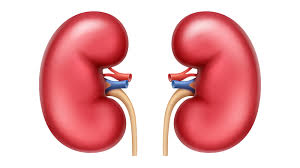
Almost all drugs can affect the kidneys in some adverse way.
In this article we will describe 7 drug (groups) that can damage your kidneys.
Doctors call kidney damage caused by drugs ‘nephrotoxicity’.
- Certain antibiotics – aminoglycosides (e.g. gentamicin) and beta-lactams (cephalosporins, penicillins)
- Lithium – a bipolar disease (BPD) mood stabiliser. This is not usually stopped even if it is causing (or worsening) CKD, as the risks of recurrence of BPD are too high
- Certain antivirals – including acyclovir, ganciclovir and tenofovir (used in HIV)
- Certain blood pressure tablets – angiotensin-converting enzyme inhibitors (ACE inhibitors, e.g. ramipril), angiotensin receptor blockers (ARBs, e.g. losartan). [“Yes, it is confusing that such drugs are potentially harmful to the kidneys and protective of them, at the same time.” MyHSN Ed]
- Cisplatin – a form of chemotherapy (and other chemotherapeutic agents)
- Intravenous (IV) contrast agents (dyes) – causing contrast-induced nephropathy (CIN) – used during x-rays such as CTs and angiograms
- Diuretics (water tablets) – all diuretics including thiazide (e.g. bendroflumethazide), loop (furosemide and bumetanide) and potassium-sparing (spironolactone).
Other drugs that can damage kidneys
- Chinese herbal medicines – such as aristolochic acid
- Calcineurin inhibitors – such as tacrolimus and ciclosporin – immunosuppressants (again, ‘good kieny drugs’ (prevent transplant kidney rejection) but can worsen kidney function)
- Proton pump inhibitors (PPIs) – such as lansoprazole, pantoprazole, and omeprazole
- Sodium phosphate solutions – commonly used for colonoscopy preparations, can cause acute phosphate nephropathy (APN), a cause of acute kidney injury (AKI)
- Bisphosphonates – are used to treat osteoporosis – but should be used in reduced dosage in CKD
- Metformin (a biguanide) – should be stopped when GFR is <30 ml/min (Stage 4 CKD; due to the risk of lactic acidosis). Insulin can be used at any stage of CKD
- DOACs (e.g. apixaban) – reduce dose if GFR <30 ml/min (CKD4); avoid if GFR <15 ml/min (CKD5)
- SGLT2i (e.g. dapagliflozin) – use in proteinuric CKD if GFR <60 and > 25 ml/min, and uACR > 25 mml/L.
The above list is by no means a comprehensive list of medications that can cause kidney damage.
You are at higher risk of drug-induced kidney damage if you are over 60 years, have underlying CKD, or comorbidities such as diabetes.
If this is the case, you should talk to your doctor before starting any new medication that can potentially cause kidney damage.
Stopping or using the minimum dose of these tablets can help prevent CKD, and AKI epiodes.
But please do not stop the tablets above if you think they are becoming nephrotoxic (kidney damaging). Speak to your doctor urgently.
Summary
We have described describe 7 drug (groups) that can damage your kidneys. We hope it has been helpful.